
2026-05-07 · medications, zepbound, tirzepatide, glp-1
Updated 2026-07-30
Written by WeightFAQ Staff
Evidence-informed guidance from the WeightFAQ editorial team.
11 min read
Last editorial review Jul 30, 2026
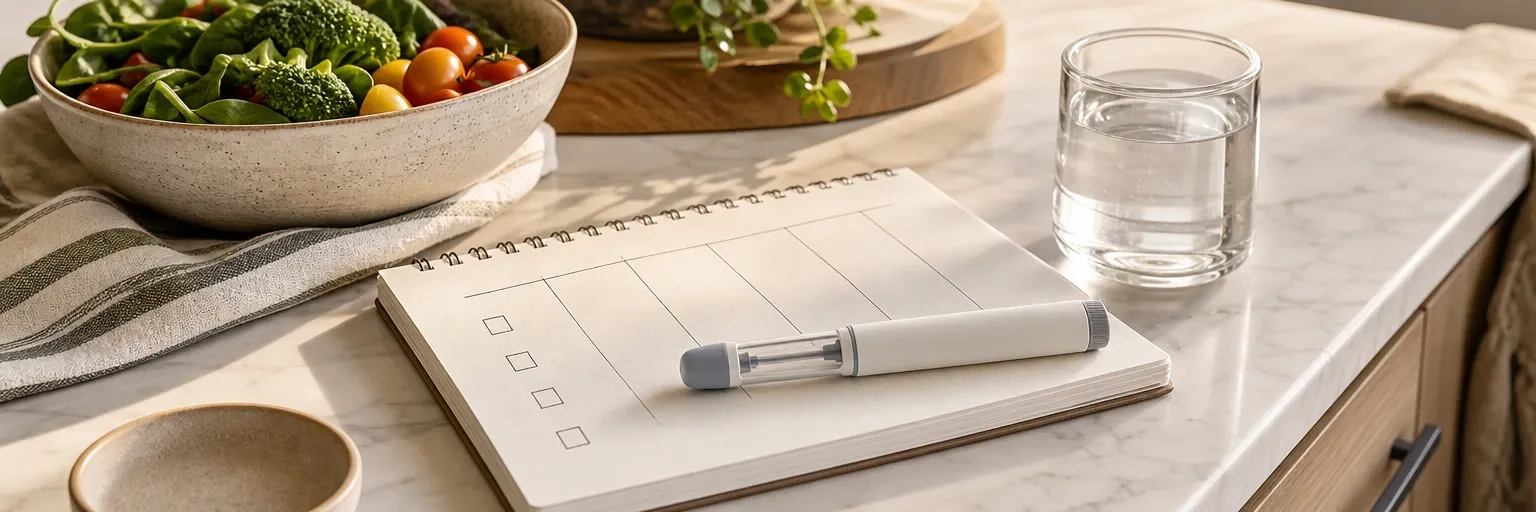
Zepbound for Weight Loss
Who this is for / not for
Good fit if:
- You are an adult with obesity (BMI 30 or higher), or overweight (BMI 27 or higher) with a weight-related condition such as type 2 diabetes, high blood pressure, or high cholesterol.
- You want a weekly injectable option with strong appetite and weight effects and can stick with dose titration.
- You are ready to pair medication with nutrition, activity, and ongoing clinician follow-up.
Not a fit if:
- You have a personal or family history of medullary thyroid carcinoma (MTC) or multiple endocrine neoplasia syndrome type 2 (MEN2).
- You have a history of pancreatitis, severe gastrointestinal disease, or current severe gastroparesis without specialist clearance.
- You are pregnant, breastfeeding, or planning pregnancy in the near term.
What Zepbound is
Zepbound is the U.S. brand name for tirzepatide when prescribed for chronic weight management. Tirzepatide is the same molecule sold as Mounjaro for type 2 diabetes — the two brands share pen, dose, and safety profile but split on FDA indication, insurance coverage, and cash-pay pricing; the full Mounjaro vs Zepbound comparison walks through where each brand is the covered pathway in 2026. The FDA approved Zepbound in late 2023 for adults with obesity, or adults who are overweight and have at least one weight-related condition, as an addition to a reduced-calorie diet and increased physical activity. In December 2024, the FDA also approved Zepbound for moderate-to-severe obstructive sleep apnea in adults with obesity on the strength of the SURMOUNT-OSA trial — the first medication ever approved specifically for OSA in an obesity context.
Tirzepatide is a once-weekly, dual GIP and GLP-1 receptor agonist. In plain terms, it is a single injection that acts on two gut-hormone pathways involved in appetite and blood sugar control. For a broader view of this drug class, see the GLP-1 weight loss overview. For information on the molecule itself, see tirzepatide for weight loss.
How it works
Tirzepatide activates receptors for two hormones your gut normally releases after meals: GIP (glucose-dependent insulinotropic polypeptide) and GLP-1 (glucagon-like peptide-1). Acting on both pathways:
- Slows stomach emptying, so meals feel more filling for longer.
- Reduces appetite and food-related cravings signals in the brain.
- Improves insulin response and blood sugar control after meals.
These effects combine to reduce calorie intake without the hunger spikes that usually follow aggressive dieting. Zepbound works best alongside structured nutrition and physical activity habits; it is not a substitute for lifestyle change.
Expected weight loss
Zepbound’s expected results come mainly from the SURMOUNT-1 trial, a 72-week randomized study in adults with obesity who did not have diabetes.
Average total body weight loss from SURMOUNT-1:
- About 15% at the 5 mg weekly dose.
- About 19.5% at the 10 mg weekly dose.
- About 20.9% at the 15 mg weekly dose.
- About 3.1% with placebo.
In SURMOUNT-2, which studied adults with overweight or obesity and type 2 diabetes, average weight loss at 72 weeks was lower (roughly 12 to 15 percent), which is typical for this population. Individual results vary. Most people see early appetite changes in the first weeks, with steady weight loss accumulating over several months. As with other GLP-1 class drugs, stopping Zepbound is associated with gradual weight regain unless a maintenance plan is in place. To compare all four GLP-1 brands side-by-side on the SURMOUNT, STEP, and SURPASS averages, see the GLP-1 medications hub.
Dosing and administration
Zepbound is a subcutaneous injection given once a week, on the same day each week, in the stomach, thigh, or upper arm. It is supplied as a single-dose auto-injector pen or vial. For the practical mechanics of the two-click auto-injector — how firmly to press, how long to hold, and how to rotate sites cleanly — see GLP-1 injection technique.
Typical titration schedule:
- Start at 2.5 mg once weekly for 4 weeks (a starter dose meant to reduce side effects, not intended for long-term weight management).
- Increase to 5 mg once weekly, and after at least 4 weeks at each step, continue stepping up in 2.5 mg increments as tolerated.
- Maintenance doses are 5 mg, 10 mg, or 15 mg weekly, chosen based on tolerability and response.
If a dose is missed, the manufacturer advises taking it within 4 days; otherwise, skip the missed dose and take the next scheduled dose. Do not double up. Store pens refrigerated when unopened, and follow pen-specific room-temperature limits.
Side effects and safety
Most side effects are gastrointestinal, dose-related, and typically improve after the body adjusts to each new dose.
Common side effects:
- Nausea, vomiting, diarrhea, constipation.
- Decreased appetite, abdominal pain, reflux, burping.
- Injection-site reactions, fatigue, mild hair shedding.
Serious or less common risks:
- Boxed warning for thyroid C-cell tumors based on rodent data; avoid in people with a personal or family history of medullary thyroid carcinoma or MEN2.
- Pancreatitis: stop the drug and seek care for persistent severe abdominal pain.
- Gallbladder disease, including gallstones and cholecystitis — more common with the rapid loss tirzepatide produces.
- Acute kidney injury, usually linked to dehydration from vomiting or diarrhea.
- Hypoglycemia, particularly when Zepbound is combined with insulin or sulfonylureas.
- Diabetic retinopathy complications in some people with type 2 diabetes.
- Suicidal thoughts or mood changes have been reported across the GLP-1 class; postmarketing surveillance is ongoing.
For broader safety context across this drug class, see weight loss drug safety. For the practical symptom-by-symptom management protocol — the tolerability ladder, ondansetron and PEG-3350 dosing, hold-dose and titrate-down thresholds, and the emergency red-flag list — see managing GLP-1 side effects. For the visible facial-volume loss that some patients notice during rapid tirzepatide loss, see Ozempic face and weight loss. For the body-composition side of Zepbound — SURMOUNT-1 lean-mass numbers and the protein/resistance-training protocol that blunts them — see preventing muscle loss on GLP-1 medications. For the alcohol interaction on Zepbound — pancreatitis and dehydration risks, delayed gastric emptying and blood alcohol level, and the emerging craving-reduction signal — see GLP-1s and alcohol. For the oral-contraceptive drug interaction on the Zepbound label — a labeled 4-week barrier-backup window after initiation and after each dose escalation, plus non-oral method alternatives — see GLP-1 medications and birth control.
Cost and access
In the U.S., Zepbound’s list price is roughly $1,060 to $1,100 per month for a one-month supply of weekly pens, depending on pharmacy. Actual out-of-pocket cost depends on insurance.
Typical access points:
- Commercial insurance: Coverage for weight-loss drugs varies by plan. Prior authorization is common and often requires documentation of BMI, prior weight-loss attempts, and related conditions. For how Zepbound fits among other approved options, see our overview of prescription weight loss medications.
- Medicare: As of the time of writing, Medicare Part D is not permitted to cover medications used strictly for weight loss, so Zepbound is typically not covered for weight management under Medicare. Coverage rules may change.
- Manufacturer support: Eli Lilly has offered a Zepbound savings card for eligible commercial plans and a self-pay single-dose vial option at reduced prices for some doses. Zepbound vial pricing via LillyDirect is covered in detail in our GLP-1 cost and insurance coverage guide, alongside the savings-card mechanics and Medicare and UK pricing.
- Compounded tirzepatide: Compounded versions are not FDA-approved, have not been reviewed for safety, efficacy, or quality, and have been the subject of FDA safety communications. Compounding is only allowed under narrow circumstances, and product consistency can vary.
Plan for recurring monthly costs for as long as you remain on therapy, plus clinician visits and any labs your prescriber orders.
Zepbound vs Wegovy (brief)
Wegovy is semaglutide dosed for chronic weight management; Zepbound is tirzepatide dosed for chronic weight management. Both are once-weekly injections with FDA approval in similar populations, but they are different molecules with different mechanisms: Wegovy targets GLP-1 only, while Zepbound targets both GIP and GLP-1. Across available trial data, average weight loss tends to be higher with Zepbound, though Wegovy has longer real-world safety experience and distinct cardiovascular outcome data. Side-effect profiles are broadly similar. The better choice depends on medical history, insurance coverage, tolerability, and clinician judgment. For the full brand-vs-brand walkthrough — SURMOUNT-5 head-to-head numbers, side-effect table, 2026 cash-pay and insurance decision matrix — see Wegovy vs Zepbound. For a deeper comparison of the molecules, see semaglutide vs tirzepatide and semaglutide for weight loss. For the brand-vs-brand semaglutide question, see our Ozempic vs Wegovy breakdown. To see the GLP-1 head-to-head comparison lining up all four brands on dose, expected weight loss, and 2026 list prices, use the four-way hub.
Pipeline and future options
Zepbound is not the last word in Eli Lilly’s incretin program. Its direct successor is retatrutide (LY3437943), a next-generation triple agonist that adds a glucagon receptor arm to the same GLP-1 and GIP receptors Zepbound targets — Phase 2 produced roughly 24.2 percent mean weight loss at 48 weeks (Jastreboff 2023 NEJM), a shorter timeframe at higher magnitude than SURMOUNT-1. Retatrutide is in Phase 3 (TRIUMPH program) with earliest realistic FDA availability in the 2027–2028 window; it is not commercially available, and any product sold online as “compounded retatrutide” is unregulated peptide, not the Lilly molecule from the trial. For the full within-Lilly, pipeline-vs-approved decision — including the compounded-retatrutide reality and whether to wait for retatrutide or start Zepbound today — see retatrutide vs tirzepatide. For the broader pipeline picture across every next-generation incretin drug, see next generation weight loss drugs.
Frequently asked questions
How much weight can you lose on Zepbound?
In SURMOUNT-1, adults with obesity and without diabetes lost on average about 15% of body weight at 5 mg, 19.5% at 10 mg, and 20.9% at 15 mg over 72 weeks, compared with about 3.1% on placebo. People with type 2 diabetes (SURMOUNT-2) typically lose less — roughly 12 to 15 percent. Individual results vary based on dose, adherence, diet, and activity. See tirzepatide for weight loss for more detail on the molecule’s effects.
How much does Zepbound cost per month?
Zepbound’s U.S. list price is roughly $1,060 to $1,100 per month for a one-month supply of weekly pens. Out-of-pocket cost depends on insurance: with commercial coverage and the manufacturer’s savings card, eligible patients may pay much less. Eli Lilly also sells single-dose vials of certain doses at a reduced self-pay price. Medicare Part D generally does not cover weight-loss-only drugs, and Medicaid coverage varies by state.
What are the side effects of Zepbound?
The most common side effects are gastrointestinal — nausea, vomiting, diarrhea, constipation, abdominal pain, reflux, and decreased appetite — and they typically improve as the body adjusts to each dose step. Less common but serious risks include pancreatitis, gallbladder disease, acute kidney injury (often from dehydration), hypoglycemia (especially when combined with insulin or sulfonylureas), and a boxed warning for thyroid C-cell tumors based on rodent data. For broader context, see weight loss drug safety.
Is Zepbound the same as Mounjaro?
The active ingredient is identical — tirzepatide — and both are once-weekly injections made by Eli Lilly with the same dosing strengths. The difference is FDA-approved indication and brand: Zepbound is approved for chronic weight management, while Mounjaro is approved for type 2 diabetes. Insurance formularies, prior authorization rules, and out-of-pocket costs often differ between the two brands even though the drug is the same.
Do you keep the weight off after stopping Zepbound?
Usually not completely. Trial extension data (SURMOUNT-4, Aronne 2024) showed that people who stopped tirzepatide regained roughly 14 percentage points within 52 weeks — landing back near their initial 6-month weight — while those who continued treatment kept most of the loss and even continued losing. Plan for long-term use, or a structured maintenance plan, rather than a short course. For the SURMOUNT-4 numbers in context, a stop-vs-taper-vs-maintenance-dose comparison, and the five highest-leverage levers for minimizing regain, see rebound weight gain after stopping GLP-1.
Can you switch from Wegovy (semaglutide) to Zepbound?
Many clinicians will switch people who stall on semaglutide or who cannot tolerate it. A short gap between the last dose of one drug and the first dose of the other is typical, and titration usually restarts from a low Zepbound dose. See semaglutide vs tirzepatide for a head-to-head comparison.
What if you miss a dose?
Per the manufacturer, if it has been 4 days or less since your scheduled dose, take it as soon as possible and continue your regular schedule. If it has been more than 4 days, skip the dose and take the next one on your regular day. Do not double up.
Is compounded tirzepatide a safe alternative?
Compounded tirzepatide is not FDA-approved. The FDA has warned about dosing errors, sterility, and ingredient concerns with some compounded versions. If cost is the main barrier, ask about manufacturer savings programs or approved vials before turning to compounding.
Can you drink alcohol on Zepbound?
There is no strict prohibition, but alcohol can worsen nausea and low blood sugar risk, especially during dose escalation. Many people find their tolerance for alcohol is lower than before starting treatment.
Practical next steps
This week
- Confirm whether your BMI and conditions meet FDA criteria for Zepbound, and whether your insurance lists it on the formulary.
- Ask your prescriber about a titration plan, a consistent injection day, and how to reach them for side-effect questions.
- Start a simple log of weight, appetite, and any GI symptoms so you have trend data for follow-ups.
What to track
- Weekly weight trend and appetite changes.
- GI symptoms (nausea, vomiting, diarrhea, constipation) and hydration.
- Protein intake, resistance training sessions, and sleep.
How to know it is working
- Appetite feels lower and portion sizes are easier to manage.
- Weight loss accumulates steadily over months, not pounds in a single week.
- Side effects peak briefly after each dose step, then ease.
How this article was researched
This article draws on the SURMOUNT-1 and SURMOUNT-2 randomized trials published in the New England Journal of Medicine, the FDA approval announcement for tirzepatide in chronic weight management, and the FDA prescribing information for Zepbound. Safety summaries reflect labeled warnings and postmarketing communications from the FDA. Cost and coverage details reflect publicly posted manufacturer and payer information at the time of writing.
Sources
- Tirzepatide once weekly for the treatment of obesity (SURMOUNT-1). New England Journal of Medicine (2022).
- Tirzepatide for the treatment of obesity in people with type 2 diabetes (SURMOUNT-2). New England Journal of Medicine (2023).
- Continued treatment with tirzepatide for maintenance of weight reduction in adults with obesity (SURMOUNT-4). JAMA (2024).
- FDA approves new medication for chronic weight management. U.S. Food and Drug Administration (2023).